Showing posts with label drones. Show all posts

Monday, October 12, 2026

Data center warfare is part of high-tech warfare.


“Ukrainian Drones Knock Out Supercomputers at Two Yandex Data Centers. Yandex confirmed fires and full shutdowns at its Sasovo and Kaluga sites on back-to-back days, October 8 and 9, after drones hit supercomputers tied to training its YandexGPT model and disrupted services for Russian Railways and MegaFon“.(Startupfortune, Ukrainian Drones Knock Out Supercomputers at Two Yandex Data Centers)

The third closed data center is in Vladimir. That data center provides data services to the Moscow region. And agencies like the GRU, FSB, and the Russian Aviation Institute can use that data. 

“Yandex shut down its data center in Vladimir, east of Moscow, after a drone strike damaged its infrastructure on October 11, the company said in a Telegram alert. The outage disrupted Yandex services as the company assessed the damage and worked to restore operations; the Associated Press reported it was the third strike on Yandex facilities in four days.” (LetsDataScience, Yandex Shuts Vladimir Data Center After Drone Attack)

Things. like automated and semi-automated systems require complex codes. To operate.  Data centers provide a platform to run and train AI. To operate in that area. Denying drone communication. Using jammers is more complicated than people thought. Jammer bases are in the radio transmitters. Those transmitters send radio signals that should deny data communication between the operator and the drone. 

The problem is in radio transmission. That makes jammer systems vulnerable to anti-radiation missiles. The aircraft or drone. It can shoot anti-radiation missiles against those radio transmitters. And the radio jammer works only If. it can operate on the same frequency as the drone. This means that the opponent operator knows those frequencies. When. The drone is jammed. 

The operator can shoot anti-radiation missiles from ground vehicles. Or they can shoot those missiles from airplanes. Anti-radiation missile. It can be effective against drones. But only if the missile and its operators know the drone’s command frequency. The anti-radiation missiles are shot from rocket launchers. They can be destructive tools. If. The operators find the right radio frequencies. And these kinds of systems require lots of data. 

Data centers play a central role in modern warfare. Those centers serve as information tools. And disinformation tools. They serve as data processing systems. Those systems. They. Can be used to program drones. They can also carry out cyberattacks. Those attacks are important. If. Those operators want to know. 

Where. Somebody is moving. Things. Like. Hacked traffic surveillance cameras can tell where some interesting things are moving. Hacked telephone centers can uncover enemy plans. And the big problem is how to make software. That those attacks require. 

We must remember. That without cyberattacks, things like the elimination of the Iranian leaders are impossible. Reconnaissance aircraft and satellites cannot. recognize people. Who enter cars in a garage. The system sees cars. But it cannot recognize people. Who sit in a car. Or the person’s precise location. Who is in the house. 

Cyberattacks allow attackers to see things. Like operation plans. Hacked cameras and access controls also give more interesting data. Like. Who the next commander of enemy forces is. Or who has private conversations with enemy leaders. 

Updated firewalls and antivirus software can make old programs useless. The operators must generate new code. That the antivirus cannot detect. This requires AI-based systems. Attackers must generate lots of code.

 In a short period. These kinds of systems require data centers. 

Data centers are vulnerable and high-value targets.  Trolls are operating using those data centers. And destruction makes it hard to run AI agents. And bots on platforms. The remarkable detail is this. Some far-right and Pro-Trump campaigns. On the net turn silent. When the Ukrainian drones attacked the Yandex data centers.

Yandex attack doesn’t end Russian campaigns. But it decreases them by about 50%. Another thing is that Yandex is part of the “Russian Google” infrastructure. This means: a major Part of the Russian data travels through those data centers. Governmental organizations like Roskomnadzor use those data centers to control the internet. 

Yandex closed a Vladimir data center. Near Moscow. That data center could serve the FSB for data processing. At least it provided very important data capacity for the Moscow region. The FSB used that data. For. Targeting their strikes against opposition. Knocking out those supercomputers makes it harder to control the system. 

This makes those data centers very high-value targets. In the same way. In Kyiv. Data centers provide their support. For. Intelligence analysis. And. The ability to predict air strikes. Attacks against data infrastructure affect the ability to operate. 


https://dailyboulder.com/russian-disinformation-bot-traffic-plunges-overnight-after-ukraine-drone-strikes-cripple-multiple-putins-data-centers-report/


https://www.kyivpost.com/post/86708


https://tech-insider.org/ukraine-strikes-yandex-third-data-center-4-days-2026/


https://arstechnica.com/gadgets/2026/10/russian-drones-strike-ukraines-data-centers-by-exploiting-air-defense-gaps/


https://letsdatascience.com/news/yandex-shuts-vladimir-data-center-after-drone-attack-54325517


https://en.wikipedia.org/wiki/Roskomnadzor


Friday, August 28, 2026

The new drones and solutions are shaping the next trends in the military.


"Ukraine Tests World's First Purpose-Built Robot Aircraft Carrier for Drones" (Kyiv Post, Ukraine Tests World's First Purpose-Built Robot Aircraft Carrier for Drones)

The next trend in the military is networking. All actors share information about their ammunition capacity. Recognized vehicles. Enemies and their movements. Knowledge of the enemy is a key element. 

The new systems are integrated as part of the whole. Entire battle units and their support systems form a network that shares information immediately. The winner is not the fastest. It's the sharpest. It's the thing that can detect, follow, and shoot the enemy with the highest possible accuracy. The only accepted accuracy is destroying the enemy. This is the element. 

In tactical-scale work. The strategic scale is more complicated than just battlefield operations. 

The strategic scale means the entire system. Its ability to replace losses settles the war. Settling the war is not the same as winning battles. It’s a little bit the same. But if the actor uses all its anti-tank ammunition in one battle. That can mean a loss in the next battle. All ammunition is a single-use tool. That means resupply is the most important thing in the war. The new drones can carry other drones. 

Sea- and land-based solutions. They carry anti-drone, killer drones, and observation drones. Surface and underwater systems can release other drones. That can affect inland objects. They can also use their anti-drone systems as traps. That can affect things. Like aircraft and helicopters. And other ships and tanks. The USVs (unmanned surface vehicles).And UUVs (Unmanned Underwater vehicles). And UGVs (Unmanned Ground Vehicles). They can carry small, lightweight anti-aircraft missiles. Stinger-type missiles can cause damage to large aircraft.


"A photograph of Typhoon uncrewed surface vessel equipped with an Airstrike Pack. Image: Splash Industries" (The Defensepost, Typhoon USV Gains Ability to Launch One-Way Drones With a Single Button)


And if. The system carries an internal warhead. That can improve its ability to cause damage. The large-sized robot can carry other robots.  This means the UUV or USV can be dropped from an airplane.  Or some unmanned sea vehicle can carry a UGV to the operational area. This makes those systems very hard to predict. A drone is completely different from a manned vehicle. 

The AVs. (Autonomous Vehicles) like AUVs (Autonomous Underwater Vehicles) are replacing remote-controlled vehicles. Those AI-powered systems can operate independently without a remote pilot. This makes them immune to jammers. 

The drone must not care. About. Its crew. And the only problem is its communication. When. We think about small-sized FPV drones. Bigger drones like the MQ-9 Reaper and its successors. They can transport those drones. And. They can act as relay stations. This means that the small FPV drone can also be controlled from another side of the world. That gives small drones new capabilities. Larger drones. They can carry those small drones to operational areas. The fact is that. 

Things like Starlink systems. They can offer drones higher capacities. Than we ever imagined. The modem that uses jumping frequencies is hard to jam. But if jamming is successful. That makes those drones ineffective. Except. If they have AI-based systems. That can make them follow and hit the target even if the controller loses connection. 

When we think about manned submarines, their limit is food. Another thing. That limits their operations. It is psychological effects. Things like toilets can malfunction. And relationships in a closed environment can turn poisonous. This means the next thing that we can see at sea. It could be nuclear-powered drones. Full-scale nuclear submarine. It’s easy to transform into a drone. 

Small nuclear reactors. They can give small vehicles the ability to use things like lasers and microwave weapons. Nuclear power can solve problems with those drones' operational range. Nuclear batteries (RTGs) can give a small drone an unlimited operational capacity. But portable nuclear reactors can give the same ability. For. Larger-scale drones. The nuclear-powered tank Chrysler TV-8. It could be based on the new nuclear submarines. Those submarines can have caterpillar tracks. That allows them to operate. 

On the bottom of the sea. The miniature sub. It can look like the Soviet miniature submarine concept. That was designed for Spetsnaz. The submarine had those caterpillar tracks. That. It can travel along the seabed.

Miniature nuclear technology. That was created. For nuclear-powered cars like the Ford Nucleon and tanks like the Chrysler TV-8 in the 1960s. Those reactors' modernized versions. They can make it possible to create nuclear-powered flying vehicles, ground vehicles, corvettes, frigates, and missile boats. Or the nuclear-powered version of the Orca-class UUV.  Miniature reactors. They can turn many visions true. The ability to create systems with unlimited operational range is interesting. 


https://www.hisutton.com/Russian_Tracked_Submarines_Baltic_1980s.html


https://www.kyivpost.com/post/83090?


https://thedefensepost.com/2026/08/27/typhoon-one-way-drones/


https://www.twz.com/land/bradley-fighting-vehicle-lugging-load-of-swarming-ground-drones-is-a-sign-of-whats-to-come


https://en.wikipedia.org/wiki/Autonomous_underwater_vehicle


https://en.wikipedia.org/wiki/Unmanned_aerial_vehicle


https://en.wikipedia.org/wiki/Unmanned_surface_vehicle


https://en.wikipedia.org/wiki/Unmanned_underwater_vehicle


https://en.wikipedia.org/wiki/Chrysler_TV-8


https://en.wikipedia.org/wiki/Ford_Nucleon

Tuesday, July 21, 2026

Autonomous drone technology is advancing.


Drones are game changers in the Ukrainian conflict. Their R&D cycle is so short. That things that had top priority a couple of months ago. They can become old-fashioned in a couple of months.  We know that without drones. Ukrainian defence would fall. The new autonomous, AI drones are now in use. Autonomous AI-controlled drones are the new tools for military and other systems that must operate in places. There.  EM radiation can disturb control signals. The optical wire-controlled drones are effective. But their optical wire causes limitations. In the worst cases, those wires can be spotted. And the laser systems or drones. The mechanical cutters installed can cut that wire. The wire-controlled drone. It also has limits in its operational range. 

The independently operating drones that can use AI to search and destroy targets are the new tools. The independently operating drones can be like full-size aircraft. Or some other vehicles. Drones. They can transmit reconnaissance data. During their flight to the target. They can also be used to transmit data. About the radars and target detection routines of the anti-aircraft systems. 

The first independent fighter drones made their debut. In combat exercises. Those “Ghost Bat” drones. They are the first public versions of the AI-driven systems. The AI-driven long-range stealth drones. They can be the response to the extremely long-range operations. Like Iranian nuclear facility destruction. The B-2 bombers. They made that mission. In a 36-hour operation. There, they dropped GBU-57MOP bunker-buster bombs on those targets. Those MOP bombs. They can also destroy nuclear missiles in their silos. 

The AI-controlled jet fighters. They can make those systems. More surprising than ever before. The AI-controlled systems. They can make kamikaze attacks. And they have the ability to make air-combat manoeuvres during those operations. Data that those drones share.Can be used to train AI. Training AI pilots can be done by using simulators. The simulator operators create tactics and manoeuvres that are suitable for any situation. The AI that operates aircraft is quite easy to train. 

A normal flight combat simulator. It can be used as an interface that trains those drones. AI can give a new dimension. To the loyal wingmen drones. Those drones. They could act as jet fighters. But they could also act as missiles. Same way as aircraft. Naval vessels can get a seaborne version of those loyal wingmen. This means that submarines and surface ships can be escorted by kamikaze boats or small underwater kamikaze drones. The kamikaze drone boats. 


Electric-powered versions of drones. They could operate under and above the surface. The nuclear batteries. They can give all surface-, underwater. And airborne vehicles unlimited operational time. 


They can also escort any surface vessel. Things like RTG (Radioisotope Thermoelectric Generators) give underwater and other drones virtually unlimited operational range. Transforming some Shahed-type drones into RTG-powered drones is not very difficult. The drone requires a nuclear isotope battery. Those drones might not make attacks. Or they can carry missiles and drones under them. Even if those drones are slow. They might not be easy targets. Stealth technology makes them invisible to radar. So. Small-sized RTG-powered drones. They can operate unseen in hostile airspace. 

And an electric engine. It could carry an attack drone under it. The problem. It is that. If those nuclear batteries fall into the wrong hands. That radioactive material can turn dangerous. But the RTG is a suitable powerhouse. For the nuclear-warhead torpedoes. And the nuclear-powered airborne drone. It can turn. To use a jet engine when it must make an attack. The nuclear-powered reconnaissance drone can operate indefinitely. But attack drones must have conventional engines. Unlike nuclear reactor-based technology. 

The RTG is suitable for high-flying stealth drones. They don’t leave a radioactive trace behind them. Those drones don’t need oxygen. The nuclear-powered drone can fly at very high altitude. Even if aerodynamic controls don’t work. The drone. It can glide to lower altitudes.

The larger-sized drones can carry smaller drones. And the new tools are the underwater drones. The underwater drone can conduct reconnaissance and intelligence missions in enemy areas. Those drones can also protect larger submarines. When we think about underwater. Long-range nuclear torpedoes. Those weapons are not always 50 megaton-class. The 10-15 kt warhead . It makes it possible. To create an unmanned system. That fits into the torpedo tube. 

Small unmanned drones can escort larger submarines. When something threatens those submarines, those underwater loyal wingman drones. They can attack that threat. Those drones. They can use hydrogen-oxygen. Air-independent power sources. That system uses bottled hydrogen and oxygen in its power cells. 

And they can carry other drones. Those drones. They can make operations into hostile harbours. And then they can cause damage to the larger vessels' hulls. In the case of submarines, even a small hole. In its pressure hull can turn devastating. In the same way. Stealth aircraft, along with supersonic- and hypersonic systems. They are more vulnerable than old-fashioned systems. 


https://www.autonocion.com/us/america-drone-submarine-torpedo-tube/


https://www.bbc.com/news/articles/cdjp0n7rn41o


https://interestingengineering.com/innovation/us-darpa-retrofit-f16-for-autonomous-flight


https://interestingengineering.com/military/china-truck-mounted-electromagnetic-catapult-drones


https://militarywatchmagazine.com/article/ukraine-fp9-threat-russian-cities


https://www.twz.com/air/massive-chinese-stealth-flying-wings-spotted-together-at-secretive-drone-test-base


https://www.twz.com/air/mq-28-ghost-bat-drone-debuts-in-large-force-combat-exercise-in-the-pacific


https://www.twz.com/air/pocket-fleet-of-mq-1-predators-still-serving-navy-test-community


https://vivatech.com/news/autonomous-drone-technology-uses-benefits-and-future-impact


https://www.twz.com/sea/kamikaze-drone-boats-used-by-u-s-in-combat-for-the-first-time


https://www.twz.com/sea/ukraine-lands-armed-robot-ashore-in-russian-held-territory-via-drone-boat


https://en.wikipedia.org/wiki/GBU-57A/B_MOP


https://en.wikipedia.org/wiki/Poseidon_(unmanned_underwater_vehicle)


https://en.wikipedia.org/wiki/Radioisotope_thermoelectric_generator


https://en.wikipedia.org/wiki/Unmanned_underwater_vehicle


Thursday, May 21, 2026

The new drone technology follows certain trends.


The “Lucas,” The U.S. copy of Shahed-136 drones. It is a tool. That has swarming ability. The new hiemind swarming ability tells how fast this technology advances. Those drones can be equipped with the seeker. That is used in Maverick missiles. And the AI that helps it fly to the target without the GPS. This kind of automatic drone can operate over long distances. The accuracy of those drones can be enough to destroy an individual aircraft. The success of the Ukrainian drone strikes forces countries to rethink their defense. 

The drone is cheap. It should be easy to jam. But for some reason. The jamming is not effective. Even a small drone that hits things. Like submarines, oil refineries or munitions depots can cause big damage. The drone is equipped with anti-tank warheads, like a remotely launched bazooka rocket. Can be used. Against the individual armoured cars. 


The adoption of new technology is always problematic. When new technology is adopted. That process requires information. And lots of training. 

The drone swarms will cooperate with airborne, surface, and underwater units. Those drone swarms can operate along with submarines. And the NAVY SEAL minisubs had an exercise to practice cooperation with unmanned underwater systems. This type of technology makes submarines and Navy special units more advanced and more effective. 

Still today. The miniature drones require a larger system to carry them to the operational area. But the drone swarm can also act as a bodyguard for larger submarines. The drone can send the signals. That makes it look like a full-size missile submarine. Drones can operate very close to each other. And that makes them look like a larger target than they are. 

The torpedo-carrying minisub or underwater kamikaze drones can attack enemy submarines. So that kind of system. They can turn the role of the larger submarines. And they make underwater operations more dangerous. The small-sized drone. These uses. A very small plutonium battery. They can operate underwater. And airborne virtually unlimitedly. This means that new quadcopters can operate underwater. And airborne. The only problem is that. What if those plutonium batteries fall into the wrong hands? 


The new drone delivery systems. Like Blitzbox, these are the tools. That can turn almost any vehicle or vessel. Things. Like, cargo planes can deliver those drones over the battlefield. Agents can also transport that kind of remotely controlled drone box deep behind lines. 

Nine U.S. destroyers have laser weapons to shoot down those drone swarms. But as we know, technology advances. The drone boxes that can wait in some backyard, masked as some regular container. It can cause terrible situations. And the line between civil drone swarms and the military killer drones is very thin. A Chinese company has created a drone container. That drone container is meant for the fireworks. But those systems are very easily transformed into military systems. 


https://www.twz.com/news-features/blitzbox-packs-100-weaponized-drones-into-an-unassuming-container


https://www.twz.com/sea/navy-working-on-teaming-seals-in-mini-submarines-with-underwater-drones


https://www.twz.com/air/u-s-militarys-lucas-kamikaze-drone-is-getting-hivemind-swarming-capability


https://warwingsdaily.com/china-unveils-a-containerized-drone-swarm-with-worrying-military-potential/

Wednesday, April 22, 2026

Drones can be more powerful than anybody expected.


All technical systems are entire. The manufacturing process and guidance systems are things that require small. And effective microchips. High-power, small-size, low-voltage microchips allow drones to run more complex algorithms than ever before. This is one of the things that causes grey hair for defenders. Even small-sized drones may have semi-active targeting systems. The idea is that the controller aims the camera at the target. And gives the attack order. 

After that, the drone locks its seeker to the target. This system can improve the optical-wire drone’s attack capacity. The operator can keep the wire connected to the drone. And then use its target camera to point at the target. Then the image recognition system locks the system and cuts the wire. The AI-based system can help drones avoid the fire. 

And attacks it. We can see that the use of drones is very versatile. The MQ-9 “Reaper” drones faced massive losses in Iran during operation “Epic Fury”. 24 of those drones are lost. That can mean. The MQ-9 has a mission. To pull enemy fire into them. And then stealth aircraft or some other systems attack those AA batteries. When the AA crew sees the MQ-9, there is no other possibility than to shoot. If Reaper sees the AA cannon and shoots its missile, the target will be eliminated. 

But this means that the next generation of drones is coming. Those drones are stealthy and far smaller than MQ-9. Or. Otherwise, they can be faster than MQ-9. That planned to operate in the airspace. Where there is no enemy fire. The slow. Push-propelled MQ-9 lacks stealth capacity. And that makes it vulnerable. Things like Chinese inventions that can generate electricity for small drones. It can make it possible. To create plasma-jet engine-based systems. They are very fast, small, low-cost, and easy to make. 


Geran-3


MQ-9 Reaper


U.S. Aircraft losses in operation “Epic Fury”. (TWZ)


One way to improve. The range of a drone is. To connect it to another drone.  The big drone can pull a smaller drone. But another thing is that. Things like solar-powered stealth drones can carry smaller strike drones to strike distances. Electric-powered solar-powered drones can have theoretically unlimited operational range. The only thing that limits those systems is the need for light. But remote charging systems can solve that problem. The small electric-powered drone. It can also use rocket auxiliary engines. When the drone is at the right distance, the system launches a rocket engine. That accelerates its speed. 

Those small drones can act. Like a bullet swarm. The shape of those systems can be similar to Geran-3, which uses jet engines. The Geran-3 can attack both airborne and ground targets from a very long distance. And we must remember that the Ukrainian operator hit the Shahed-drones in airspace that is 500 km from Ukraine. The thing is that. The new systems. That can include an after-burner using AI-boosted drones. 

Or a plasma jet engine using systems that can operate over very long distances can turn the drone war into the next generation. Fast-flying drones can hunt enemy planes and ground targets over long distances. And that means those systems can stalk aircraft near airfields. And when aircraft are ready to lift off. Or in the landing procedure, those drones can attack. 

The drone can affect the target itself. Or it can use things. Like GPS transmitters to the decks of warships. They can also drop those GPS locators in the ammo supplies. The drone itself can glue those transmitters to the point where they are invisible. The system. It can be a radio transmitter that helps munitions home to the target. This means that drones can be more dangerous than anyone expected. A drone can also drop things like eavesdropping tools to the enemy HQ. 


https://www.thebrighterside.news/post/next-generation-jet-engine-converts-electricity-directly-into-thrust/


https://defensemirror.com/news/39493/Russia_s_Geran_3_Jet_Powered_Kamikaze_Drone_Ready_for_Operations


https://interestingengineering.com/military/china-microwave-beam-recharges-drones


https://www.sustainability-times.com/research/the-end-of-jet-fuel-next-generation-engine-uses-electricity-alone-to-generate-thrust-in-historic-aerospace-breakthrough/


https://www.twz.com/air/operation-epic-fury-u-s-aircraft-losses-visualized


https://www.wionews.com/world/ukraine-claims-it-destroyed-russian-drones-from-distance-of-500-km-a-record-in-long-range-drone-warfare-1776759639898


Sunday, December 14, 2025

Drones are the most considerable new weapon systems.


Above: MQ-28 "Ghost Bat" launches AMRAAM. These types of drones. It can also carry air-to-ground missiles and anti-radiation missiles. Like. AGM-88 HARM and other smaller drones. 

Drones are a new and effective threat. The reason why drones are so hard for defense is that their development cycle is much faster than that of any manned systems. Drones are cheap to build. And their operators' training. It is fast. And cheap. A drone doesn’t need life support systems. 3D printing systems. Make it possible for drones. To be customized for each mission. 3D printing systems can be installed in ships or trucks. And they can create drones from plastic, carbon fiber, or metal wires. This means those drones require only microchips. And engines. And explosives to make effective surprise attacks. 

The fact is that drones don’t need any explosives to be dangerous. They can roll metal wires around high-voltage power lines. Those systems can also have Kevlar whips. They have a metal bite at their end. And those whips can hit targets with supersonic speed. The Shahed-136 and Geran-3 type drones can strike targets from 1000 km distances. Those drones are used to drop mines in Ukraine. Those drones can also drop other drones whose mission is to cause damage and suppress air defense. The AI-based programming makes those drones very independent. And that makes it possible. Those drones are left behind enemy lines. And then they can be activated remotely. This means those drones can sit and wait for their orders. A drone can attack things like submerged targets. This means they can be dangerous. To full-size submarines. And it's possible. 

That the full-size nuclear submarines can be converted into sea drones. A submarine’s nuclear reactors. Can deliver energy. For. A full-size supercomputer. This type of system can drive complex algorithms. Things like torpedo tubes are easy to convert for automatic reload. Torpedoes and missiles can be stored in long tubes. The system mimics the firestorm system, but it uses torpedoes. And that allows the submarine to launch them at a very high rate. Large-sized submarine drones can carry large nuclear warheads. And that means. The system. Can carry. 4-5 “Tsar bomba”-type warheads (50mt.) along with torpedoes and missiles. That means the Russian “Poseidon” system can be a child’s game. Compared to systems that are coming. 


"China’s heavyweight jet-powered Jiutian drone, said to have a maximum takeoff weight of around 17.6 tons (16 metric tons), has flown. A key mission for the design is expected to be acting as a mothership for swarms of smaller uncrewed aerial systems, as TWZ has explored in the past. It has also been shown previously armed with various air-to-surface and air-to-air munitions, and could perform a variety of other missions, including airborne signal relay and logistics." (TWZ.com, China’s High-Flying Swarm Mothership Drone Has Flown)

Things like large-sized drone motherships are also coming into service. Those systems. It can be a new threat and system for dominating battlefields. Those systems can carry kamikaze-drones. But also UCAVs that can operate against other aerial targets. 

Aerial drones. They are classified as unmanned aerial vehicles (UAVs) and unmanned combat aerial vehicles (UCAV). The difference between those drones is not big. Things like kamikaze-drones. Can attack both ground and aerial targets. They can transmit intelligence information from their route. Those drones can also return to base if their weapon systems are not needed. 


"A British MQ-9A Reaper operating over Afghanistan in 2009" (Wikipedia, Unmanned combat aerial vehicle)

The kamikaze drone can also carry things like small air-to-air or anti-radiation missiles. A drone can use those missiles to attack radars and jet fighters. Even a small air-to-air missile can damage the jet fighter. The UCAV can also carry an internal warhead. And that gives them the ability to cause more damage. Internal data links allow the transmission of target information to drones. Remotely. 

Those kamikaze drones can carry other smaller drones, which they can drop into their route. The AI and afterburner will give those drones. An ability to attack aerial objects. Those drones can also operate from any platform, from trucks, potholes, and aircraft. Small drones can be effective against soft targets. Like. Aircraft and helicopters. If. We think about a situation. These small-sized kamikaze drones can slip into the aircraft carriers' hangars. Or drones can also damage aircraft carriers, electronics, and their steam catapults. 

Those weapons can be dropped from other drones or missiles. Or small, remote-controlled speed boats can transport them near those aircraft carriers. Drones can also wait on the beach. They can carry things like missiles, bazookas, and internal explosives. They can close their targets underwater. Rise from the sea. And then slip into the aircraft elevators. Or they can aim their weapons at the radars or the ship’s own missiles. The drone that can drop a bomb into the ship’s missile hatch can detonate the hatch. And then dive itself into that hole, and detonate in the missile tube. 


"The two Global Autonomous Reconnaissance Craft (GARC) assigned to Unmanned Surface Vessel Squadron 3 (USVRON 3) seen here are indicative of the US Navy’s separate ongoing work on smaller USVs. USN" (TWZ.com, Crew Optional Designs Could Be Barred By Law From Navy’s Drone Ship Program)

A drone. Can fly into the air intakes of jet engines. The drone that has image recognition can land from the sky and wait for its target. When a drone. Sees an aircraft or some other target. The AI can give it an order to make a kamikaze mission. The drone can have many types of explosives and warheads. And it can act like mines. A drone can fly through the protective fences and wait near airfields. When it recognizes its target, it can make an attack. The target can be a certain aircraft, tank, other vehicle, or even a person. The image recognition. Doesn’t make a difference between a vehicle and a certain human. 

Drone systems are many times more effective than manned systems. There is no crew; they don’t need things like toilets, water, or food.  Unmanned surface vehicles (USV) and unmanned underwater vehicles (UUV). Those tools that can carry other drones or missiles. Even a small drone can carry anti-tank or other missiles. The USV can have a kamikaze capacity. And it can have a small quadcopter. It can be used for. Search. Targets. 

The small quadcopter that hangs above the USV or unmanned ground vehicle (UGV). The small quadcopter that hovers above them can be wire-guided. That drone can also show targets. For. The drone itself. Or it's laser-guided ammunition. The laser-homing rockets. With. Many types of warheads are installed on jet fighters. But the surface drones can also operate with those rockets. The drone that can point targets to those rockets can make. Precise accuracy. With those rockets. That drone allows operators to shoot those rockets from behind the visual obstacle. And that can make those systems more effective. 


https://www.twz.com/air/american-made-shahed-136-kamikaze-drone-clones-being-tested-by-marines


https://www.twz.com/air/chinas-high-flying-swarm-mothership-drone-has-flown


https://www.twz.com/air/mq-28-ghost-bat-has-fired-an-aim-120-amraam-missile


https://www.twz.com/air/russias-shahed-long-range-drones-are-now-dropping-anti-tank-mines


https://www.twz.com/sea/crew-optional-designs-could-be-barred-by-law-from-navys-drone-ship-program


https://en.wikipedia.org/wiki/Unmanned_aerial_vehicle


https://en.wikipedia.org/wiki/Unmanned_combat_aerial_vehicle


https://en.wikipedia.org/wiki/Unmanned_ground_vehicle


https://en.wikipedia.org/wiki/Poseidon_(unmanned_underwater_vehicle)


https://fi.wikipedia.org/wiki/Tsar-Bomba


https://en.wikipedia.org/wiki/Unmanned_surface_vehicle


https://en.wikipedia.org/wiki/Unmanned_underwater_vehicle


Monday, October 20, 2025

Drones are new and problematic tools.

Shahed-136


The major problem with European drone defense is that those systems are new. The first major experiences with drones as intelligence, reconnaissance, and strike missions are from the Ukraine war. The thing that makes drones so dangerous is their small size. In the most feared scenarios, agents and saboteurs bring drones near their targets just before an attack. 

Those operators can hide drones in the terrain near the target. And then the drone operators can operate those drones even from a Moscow basement. The drone can be operated through satellites, or the operators can use hired relay stations. Or those relay stations that transmit data from the internet to drones can be on the roof of the Russian embassy. 

It can be any flat or car, and the operator can operate those drones. Through those stations. A single kamikaze drone. That can be equipped. With the anti-tank hollow grenade. Or, A claymore mine can cause damage. To the most modern aircraft. And the major problem with drone defense is that drones can be launched from any place. Some of them are very small. And if they are equipped with thermobaric explosives, those drones can cause significant damage to things like electric stations and fuel tanks. 

Drones don’t need any special launching systems. The crew that operates drones on the field. Can put them on the ship’s deck, and then remote operators can start an attack. They can also send those drones into their hands, making them hard to find. There is a possibility. 

That also bigger drones like Shahed or Geran 3 can be equipped with the feet. That keeps them up. Then the rocket assistant pushes them into the air. The idea is taken from the Russian “Oscar class” submarine. The cruise missiles are on both sides of those boats. And large-sized drones. It can be installed on the trucks and lorries in the same way. 

There is also a possibility that those drone-launchers are installed in the truck or some other submarine drone. When those drones take orders to start their operation, the system must open the roof. And then those drones will be released. This thing makes those drones very dangerous. There can be less than a minute's warning time before they attack their targets. Drones are new systems. There are many targets that are not equipped against them. That means drones are effective tools for assassination missions. And they are very easy to get. 

The U.S. general said that the Western military requires the Shahed-type drone. Those small, cheap, and in some cases. Effective drones can give new abilities to the military. The AI and optical target recognition and attack sensors, along with jet engines, could make those drones very lethal. The drone. That can be dropped from an aircraft, launched from any point on the ground, or from a ship deck can be the tool. That can cause very big problems. The drone can have optical or radar-based target recognition. The drone can also act as an anti-radiation role, where. The drone will search for radars or radio transmitters. And then attack those targets. 


https://www.bbc.com/news/articles/c4gz2ppye5zo


https://www.twz.com/air/army-absolutely-needs-shahed-like-drones-pacaf-general

Sunday, October 12, 2025

China’s new Sharp Sword drones are located in an operational airbase in Tibet.


Above: Hongdu GJ-11 “Sharp Swords” in an airbase in Tibet. (The War Zone)


China’s unmanned stealth drones. Called Hongdu GJ-11, “Sharp Swords” are visible in the satellite images. They are located in the operational airbase in Tibet. Those drones are quite similar to X-47B, which was one of the first large-sized drones in the world. The Sharp Swrd is new and more advanced than the X-47B that was developed in 2011. But “Sharp Swords” have more advanced materials and AI that allow them to operate more independently than X-47B. The drone can operate in intelligence duties. 

But it can also have attack and even air-combat capacities. In some scenarios, some drones are equipped with mirrors that aim laser beams at the desired targets. The laser system has one weakness. It cannot shoot projectiles on a parabolic trajectory. That denies its ability to shoot over the hills. But the drone with a mirror can reflect a laser ray over the walls. 


Above: Hongdu GJ-11 “Sharp Sword” (AsiaTimes)


Another image of “Sharp Sword”. (GlobalSecurity)


Bottom: The Northrop-Grumman X-47B (Wikipedia)


Dropping the bomb or launching the missiles can happen using the terrain contour matching, TERCOM, or the Loran navigation system. In the last case, crossing radio beams activate the bombardment system. The TERCOM-AI-based system is more flexible. And more effective. Because there is no need for an outside radio source, these large-sized drones can operate independently. That makes the ECM-free, but the high-power EMP can destroy that drone. 

The large-sized drone can operate as a bomber; it can drop conventional or even nuclear weapons. And the drone can also use an internal nuclear detonator, which turns them into the deadliest kamikaze-drones that have ever been developed. The unmanned stealth drones can have the space shuttle variants. That means those highly automated systems can be something that we have never seen before. The location is in a fully operational airbase means that those drones are coming into operation soon, or maybe they are already operational. The thing that determines those drones' use is the AI. Maybe those drones have the air combat capacity. And if those systems have enough high-power computers, they can run the advanced AI on those computers. 


https://asiatimes.com/2024/09/chinas-sharp-sword-combat-drones-cutting-into-us-airpower/


https://www.globalsecurity.org/military/world/china/lijian.htm


https://www.twz.com/air/chinas-stealth-sharp-sword-unmanned-combat-air-vehicles-deployed-to-operational-airbase


https://en.wikipedia.org/wiki/Hongdu_GJ-11


https://en.wikipedia.org/wiki/Northrop_Grumman_X-47B


https://en.wikipedia.org/wiki/TERCOM


Sunday, September 10, 2023

Why researchers are so interested in laser weapons?

 Why researchers are so interested in laser weapons?  


The arm race is a race between an improved attacker and an improved defender. Things like Javelin missiles have two-stage tandem warheads that send hypersonic metal beams against the target. The improved weapons require improved counteractions. One of those counteractors is a laser weapon, which can destroy incoming missiles and ammunition over long distances. 

Laser weapons are the next-generation tools against grenades, drones, and low-flying aircraft. Laser weapons can also cut holes in the ship's hulls and the thing that makes laser weapons so interesting is simple. It gives also small-size crafts the ability to make fatal damage to large ships. 

If a laser cuts a slit in the ship's bow that kind of damage will be fatal if the ship must run at high speed. The Ukraine war has shown how difficult is to protect targets against drones. Even simple, straight-flying drones are difficult to defend. The drone itself is an easy target but when there are coming tens or hundreds of them. 


At the same time, the air defense cannot let any of them go through which means it requires lots of ammunition. And one purpose of those drones is to force the enemy to use their AA ammunition against them. The AI-based drones can take evasive actions and they are harder targets than those simple and cheap drones. 

The Ukrainian surface kamikaze drones are also effective tools. They can destroy or damage large ships. The problem is that things like Russia and terrorists notice that thing, and they wish to make their own versions of that tool. Maybe in the future, those drones also can operate underwater. That gives them the ability to attack the surface and underwater at the same time. 


The fact is that. Those drones can equipped with GPS-guided antitank missiles that can also be deadly against targets in the harbor area. And those kamikaze drones can attack against equipment loaded on the quay and then try to destroy ships. And that kind of target requires counter-weapons that can react very fast. And laser is suitable for that role. 

The only thing that limits the number of shots is the energy supply. Laser weapons are the same tools that are used in metal factories for cutting metal plates. And that means the laser systems can just cut off the wings of flying drones.  The aircraft, equipped with a laser weapon can use that weapon against incoming missiles. 


Protective laser weapons installed in high-flying platforms like stratospheric aircraft and airships can protect them against incoming missiles. The same lasers can also be used against enemy aircraft. 

Lasers are also double-used tools. The same lasers, used as weapons against aircraft and ships can be used as communication tools. The thing that changes laser from a communication tool to a weapon is the power, that the laser system uses. Lasers are tools that can protect satellites against ASAT weapons. And when people talk about laser satellites or "killer satellites", they mean satellites made to destroy other satellites. 

Lasers can offer communication and weapon tools against traditional missiles. But the arms race is a race between ultimate attackers and ultimate defenders. 

But the problem is that missiles can also equipped with microwave warheads. In those systems, the missile carries a magnetron that sends microwaves ahead of it. That kind of electromagnetic warhead can use a windmill generator as a power supply. And then in the final moment, explosives press the battery to make high-power radiation impulse. The purpose of the electromagnetic warheads is to shut down the target's computers and destroy its electric systems. 


https://www.nextbigfuture.com/2023/09/northrop-grummans-compact-10-kw-anti-drone-laser-and-humvee-mounted-laser-against-mortars-rockets-and-more.html


Tuesday, April 12, 2022

What is the difference between drones and missiles?


Russian Iskander missile (Wikipedia)


Missiles are easier to use in war crimes. The missiles need only two coordinates the launching point. And the point where the target is. The missile crew will give the target coordinates to the missile. And then the GPS/GLONASS system tells the missile its location and the distance to the target. When the target is in range, the system simply tells, that it's time to shoot. 

The problem with that kinds of missiles is. They need to update their target's position all the time if the missile wants to hit the moving targets. The CEP (Circular Error Probability) depends on the accuracy of the positioning system. Things like radar and image (or imaging infrared) homing missiles require the position of the target and then the GPS or inertial navigation system will drive the missile to the point, where its trajectory starts to turn to the ground. 

Then the seeker must see the target. If the seeker doesn't see the target the AI must decide does it detonates the missile in airborne. Or would it allow it to impact the ground? The thing is that AI-based imaging infrared systems are the new things and the computer code that is needed is complicated. And the most usual way to make a missile fly to its target is to use GPS/inertial navigation. 

If there is no optical seeker the operators would not even know where they shoot their missiles. So the fault, if the missile hits civilian targets, is the person who gives coordinates to the guidance system. 


Things like UCAV (Unmanned Combat Aerial Vehicles) are made against highly mobile missile systems. The combat drone can patrol for hours or even days and search the targets. And missile systems are the primary objects for small and lethal anti-tank missiles. 

Those drones can observe the ground operations but they are capable to destroy both anti-aircraft and short-range ballistic missiles. They can use along with the manned aircraft or alone against all ground targets. The thing is that the controller of the system sees the target. And if there are some civilians those drone operators should see also that thing. 

The thing is that the high-flying low-enduring drone is always quite a hard target for ground-based systems. The piston engine leaves a very low infrared signature. The question is why Russian military have not those systems?

Bayraktar TB-2 (Redditt)


The answer could be that the drone can use for so-called "surgical strikes". And that means drones are useful also things like assassination missions. The thing is that drones are effective and dangerous tools is that they can be almost everywhere. Small UCAV drones can carry to operational areas even in the trunk of the car. 

And they can leave to the attack position. The drone can be a quadcopter or it can be aircraft-shaped like Boeing Dominator. So when the target is coming to the operational area it will go airborne. The aircraft-looking drone can use a balloon for lift-off. 

And the operator can make that strike from a long distance. That thing makes them very frightening. And the weapon systems must be frightening because they deny the attacks from foreign countries. The purpose of the military system is to put fear in the mind of enemies. And that thing makes all successful weapon systems rough, brutal and shocking. 


https://interestandinnovation.blogspot.com/


Wednesday, March 16, 2022

Why do Russians have problems destroying Turkish-built drones?


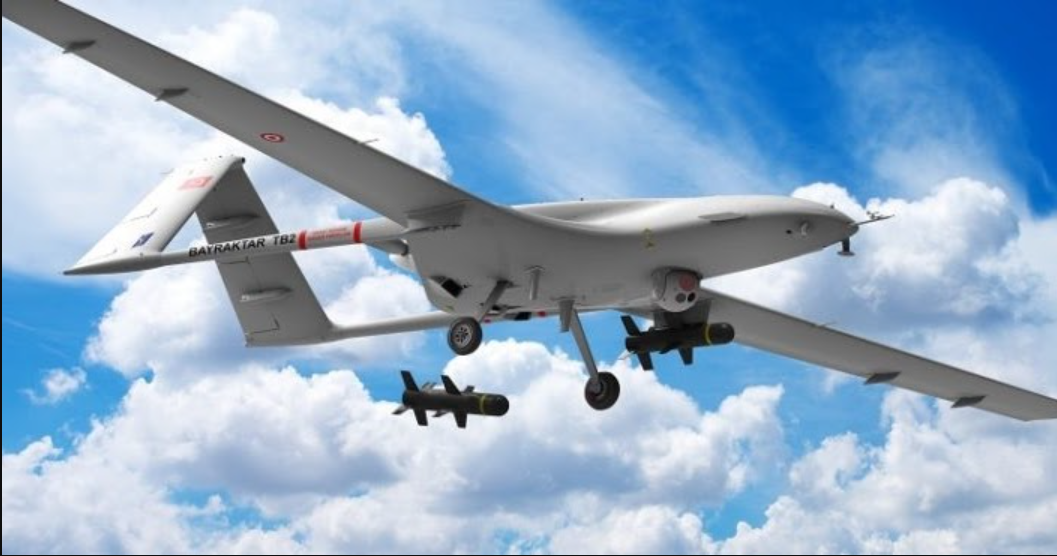
Image) Baykar Bayraktar TB2 (Wikipedia/Baykar Bayraktar TB2)


The Russian-Ukrainian war predicted that Russia will win Ukraine in 96 hours. The reality might be different. The war carries on, and many other predictions are not matched with reality. This war has been a pain and nightmare for Russians. 

The drones are invisible and very frightening killers. That can use alone or with manned aircraft. The manned aircraft can drop drones to the operational areas. And then those drones can mark targets. Or they can attack against the targets. Long-range drones like Loyal wingmen can be equipped with warheads and they can hit against missiles. And especially the long-range anti-aircraft and tactical battlefield missile launchers. 

Many things are problematic in the Ukrainian war. The predictions are not matched with reality. But one of the questions is simple. Why Ukrainian drones are not as easy to destroy as they predicted? Those Baykar Bayraktar TB2 drones are predicted to be easy targets. But there is something why Russians are not made that thing? The Bayraktar-drones are not the most advanced systems in the world. They are classified as the 2nd or 3rd. class drones. 

That is sold for some 2nd or 3rd. class countries. The Turkish build drones are introduced as "easy to jam" systems that are not so multi-use and effective as manned aircraft. But those drones seem still flying and destroy the attackers. The ECM systems along with air defense missiles and AA-artillery are predicted to be the most effective counteractors against the drones. 


There are three possibilities for the jammer system's ineffectiveness against those drones. 


1) Russians have those systems, but they don't use them. 

2) Russians have those systems, but those systems are somewhere else

3) Russians have those systems, but they are ineffective. 


But how that thing can be possible? The fact is that even cheap drones can turn extremely dangerous very easily. Operators can change components and the computer programs of those systems without telling the manufacturer that modification. The Ukrainian war, or rather saying, Russian invasion to Ukraine shown, that predictions are dangerous. Putin overestimated his force. And now he will pay the price. 

Drones might be very unsportsmanlike. But those systems are effective. The purpose of the military is to be frightening. It must scare enemies that they are not attacking to country. The military is meant to be a tool in the hands of the country and government. And the drones are allowing that government can control those things easier than some special forces man. 

And the only purpose that force has is to destroy enemies. If there is a shame to be some drone operator that is good for government. The shame helps those people to keep their mouths shut. The reason why drones are in use in many countries. Is the problem to recruit people in special forces. 

Or actually, the problem is that there are very long service times for those operators. And the skills that are trained to them are causing those people to be hard to control. The drone operator is easier to control than traditional special forces operators. The only needed thing is to cut their connection with drones. 

The fact is that the new drones are bringing new doctrine to battlefields. There are two types of killer drones. The Bayraktar is a Predator-type unmanned quite complicated unmanned aircraft. 

Another type of those horrifying system is smaller and simpler kamikaze drones. Those kamikaze drones are cruise missiles that are used in many conflicts. The target drone is equipped with a camera and the warhead can use as a kamikaze drone. 

In traditional systems, the weakness is that the system requires all-time communication. The RPV controller orders that small cruise missile dive against its target. The target can be the tank, building, or some other suitable target. But there is the possibility that the kamikaze drones are also equipped with the IIR (Image InfraRed) or image recognition-based systems. When the drone recognizes its target it will dive and impact against them. 

The "mother of those systems" is the BGM-109 Tomahawk cruise missile. That well-known and deadly weapon is the BQM-109 target and recon drone that is equipped with conventional or nuclear warheads. After the success of the Tomahawk systems, the smaller drones are equipped with similar target recognition and attack systems. And the fact is that all target drones can equip with warheads. 

The threat is that terrorists can modify the flying assembly kits by using warheads. And that thing causes problems with national security. Drones are frightening and scary systems. The army of Azerbaijan used drones effectively against Armenian troops in their conflict. 

But they are effective. And that's why they are part of the arsenal of many nations. The success of Bayraktar TB2 in Ukraine and Azerbaijan guarantees good markets for those drones. The thing that makes the drones effective is that they can use against better-trained soldiers. The drone operator doesn't need military training at all. And that makes those people easier to control. There is always a risk that highly trained special forces operator turns against the authorities or regular people.

Drone operators might seem very unsportsmanlike. But armies are not made for sports they are made to afraid enemies. And one thing is that the control of those systems and men are the key element in military planning. The skills that are learned in armies. Are meant for serving their country and government. Military skills are not meant to use in some restaurants. The problem with special forces has been the long service times. When the service ends the serviceman must go and find a new profession. And that thing causes problems in civil life. 


https://nationalinterest.org/blog/buzz/ukraines-bayraktar-tb2-drones-are-wreaking-havoc-russian-vehicles-200986


https://en.wikipedia.org/wiki/Tomahawk_(missile)


https://en.wikipedia.org/wiki/Baykar_Bayraktar_TB2


Image:) https://en.wikipedia.org/wiki/Baykar_Bayraktar_TB2


https://networkedinternet.blogspot.com/


Monday, February 4, 2019

The UFO-experiences and the science

Kimmo Huosionmaa

When some person claims to seen UFO, that doesn't mean the same thing as being the contact with humanoids. The thing is that the person actually sees the unidentified flying object, what could be some kind of aerial vehicle, like drone or aircraft, what has the strange shape. Some recon drones, what can be dropped from aircraft or satellites might be covered by the sauce-shape core, what protects the propellers and the drone, if it impacts to the trees or some else barrier, or the heat, what is caused, when the drone in dropped in the atmosphere from satellites.

Also, those covers would give the drone the STEALTH-capacity, and makes that vehicle harder to locate by using radars. But when we are thinking about abductions and contacts with humanoids, we are facing the thing that there is the only couple of cases, when things like abductions have really happened.

We must think, that people could really be seen something strange, but those things like flying cows might be holograms, what is used for turning the head of the people away from something, what is not allowed to see. But when we are thinking about the "tractor ray", what would pull the things inside the UFO, would the thing be only the hoover, what would suck the object to upwards by using a vacuum, and the light, what is seen in those cases might be mean for targeting the area, where vacuum is effective to raise the things off the ground.

So this kind of things is not actually the humanoid technology. But sometimes I have thought that maybe the "UFO-experiences" are caused because of some kind of electric vortex causes dream or hallucination if they are targeted to the human nervous system. And once there is a theory, that some UFO experiences are caused because distant humanoids might use their brain waves or EEG-signals to control their vehicles, and the radio-quasars would like to drive those signals in the direction of the Earth.

And when we are thinking about tiny black holes or wormholes, what is smaller than an atom, we might think the situation that humanoids would use those wormholes as the communication channels between themselves and their reconnaissance drones, what operates in the other solar systems and if the wormhole goes through the human, would that cause the UFO-experience. Those wormholes would be very small, but they allow real-time communication between the drones and the command center, what locates in the distance of light years from that drone. That means that those hypothetical humanoids would not probably operate in other solar systems themselves.

They might have spaceships, what travels between the stars in the speed of couple percent of the speed of light, what could be the realistic speed of interstellar ramjet or some antimatter rocket, what would be used to operate the unmanned probe or drone, what is equipped with sophisticated communication and artificial intelligent systems. And then the journey between the stars would take even thousands of years, but then the communication system will open the wormhole between the ship and the command center, and this makes possible to remote control the drones when they operate in the other solar system, what can be hundreds or thousands of light years away from their home.

https://yle.fi/uutiset/3-10603255

Monday, December 10, 2018

Flying taxi-drone and many ways to use it.


Kimmo Huosionmaa

Flying taxi service at Dubai is a very interesting business model. The large drone can operate in the city area, and use electric motors for most of the time, but of course, hybrid-engines, where is possible to load the batteries by using internal combustion motor can be soon in operation. That motor can use fuel cells for creating electricity, what makes that thing very silent and sophisticated tool in many things, where is needed the rapid reaction with the ability to fast transferring.

 When we are thinking about Taxi-drones, they seem a very fascinating thing, what would operate in many areas on the Earth, and those vehicles would also give change for public transportation in the cities, where is too many cars. But there are many other things, how those silent and sophisticated drones can operate. They can, of course, operate as the ambulances and rescue missions.

Those drones can transfer paramedical team members to the places, where have been happened the accidents or some person get sick, and they can avoid rush hours very effectively. If drones have the water or other fire extinguished chemicals in the tanks, they can also shut down the fire. Drones can also operate in everyday life, they can get tools to the men, who are working in the tall buildings. Also, the modern drones can equipped with the manipulator hands and tools like screwdrivers and drill machines, what means that they can also make repairments in the places, where is hard to get.

But in the crisis can drone also support police and military personnel. They can transfer police- and military personnel to the roofs of buildings. But this large-scale vehicles can also operate in the same mission with combat helicopters. In fact, those combat models can have real pilots inside them, and they can operate with miniguns and missiles, like Stingers, Dragon, and Hellfire. The use of pilot is, of course, a very marginal thing, but it is possible to use those vehicles like normal combat helicopter. But they can also be equipped with cameras, small radars, and sophisticated ELINT systems, what can locate the radio transmitters and enemy radars.

Sources:

https://www.dronerush.com/drone-taxi-passenger-drones-10666/


https://www.youtube.com/watch?v=5Rfe4BFiVNA

Monday, November 19, 2018

The new miniature drones are extremely dangerous in wrong hands


Picture I


Kimmo Huosionmaa

On the Internet have been stories, that the Russian new drones can jam any cell-phone by the distance of about 10 to 15 kilometers. Those drones can be equipped with ECM system, and they can interrupt any data communication, what have used the frequencies, what the operators would know. Those extremely small drones can throw to the air by hand or they can shoot by using crossbows or dropped from aircraft or helicopters. This makes those drones extremely sophisticated, and they can use in recon or attack missions by military personnel or undercover operators.

Sometimes those drones are equipped with the thermobaric warhead, and plainclothes agents can carry that equipment near the target, what might be the enemy radio station, ammunition storage or airfield. Those drones can operate remotely from the other side of the world. This means that those agents must only get those devices to air, and in that mission can use balloons, what would be filled by using the remote command. When those drones are high enough the wires would cut and the operator would fly them against targets. Use of balloons guarantees, that those agents must just leave those weapons to the ground, and flee away.

Those drones can be controlled by cell phones, what communicates with the guidance unit, and that thing is actually normal radio-amplifier, and the idea of the controlling system is similar to WLAN, but it uses more powerful radio transmissions than the normal WLAN. This kind of system could be installed to radio telescopes, and the idea is that the other side receiver-transmitters must be powerful, and the drone can be operated from another side of the Earth by using this kind of remote systems. When we are thinking about those miniature drones, they can also be equipped with explosives, and use small sizer cruise missiles.

If those small size cruise missiles are equipped with HEAT warheads, they can destroy even the tank or those systems like RQ-11 can have the thing like "frag grenades", what means thermobaric hand grenades, what has killing radius almost 30 meters. Thermobaric ammunition can installed easily to those miniature drones. And also the force of the HEAT-warhead can boost by filling the empty space ahead of the explosive hydrocarbon like gasoline or propane, what makes those ammunition extreme powerful. Sometimes the small size FAE warheads are only the HEAT ammunition, what are equipped with ventile, what can be used to fill that ammunition by aerosol, and the Russian RPG-7 has sometimes this capacity. 

Picture I

https://en.wikipedia.org/wiki/AeroVironment_RQ-11_Raven

Sunday, October 28, 2018

Swarm of drones is here and are we prepared?


Picture I


Kimmo Huosionmaa

Swarm of drones is in the key element if the world of battlefield and intelligence. Those small aerial and land-moving robots can cover very large areas, and they can be connected together with networks, what allows to connect the information, what the sensors of those vehicles send to the control center. Sometimes those small drones can carry the remote-controlled "toy cars", what can be dropped to the operational area, and those devices can look in the holes, and other places, where might be hiding people or equipment.

Some of those vehicles are equipped with small explosives like thermobaric, HEAT and thermite ammunition, what mission would be destroy enemy equipment. But there is more use for the swarm of the drones than use them as the hit weapon. The central computer can use the swarm of drones for protecting the bases against land and even the aerial attack.

Those small helicopters can have IR- and chemical sensors, and because drones are cheap, every drone might have different sensors.  The computer can use drones as the shield by moving the swarm of them to the route of attacking aircraft and helicopters when the jet motors and helicopters rotors would be suck drones thru them, and this causes damages for those vehicles.

The drones can equip with the ECM-systems, what will disturb radars, and also there could be small-sized weapons like automatic pistols and MAC-10-style-submachine guns for terminating the enemy, and this kind of devices can be very dangerous. Every person can install the winch in the drone, what would pull the trigger backward by using wire and then launch that gun.

Smallest size drones cannot carry the automatic guns would anyway also equip the derringer pistols or the outside of the drones would install rifle bullets, what are equipped with electric detonators. Those killer drones can have size about a couple of centimeters, and they can be extremely deadly, the idea of those weapons comes from the toys and the 338 caliber rifle bullet is always deadly.

Those systems can also be used in the intelligence role, and they can use the commercial routers and other devices for catching WIFI communication, and in the worst case, those drones can make "man-in middle-attack" and route the enemy communication thru it. That kind of systems can cause very big troubles if the enemy communication would be routed thru that equipment. And are we prepared for those threats?

Sometimes we must say, that those drone swarms can defend successfully by using ECM-systems, what denies the communication between drones and central computers. Those drone swarms can communicate together by using WLAN-technology, and that kind of systems are giving them the ability to share the computer power together. And that technology makes those drone-swarms more independent. In the most futuristic and terrifying visions system would equip with the ability to find the fuel for those helicopters independently.

The chemical sensors would find the hydrocarbons for the fuel cells and then drones can cut the canister open, and fill the tanks.  Drone swarms can also equip with "centers" what means drones with more powerful computer systems, and those systems can support the operations of the drones by flying with them, and the best way to defend against those systems would be EMP- or ECM weapon, what destroys the electronics and denies the communication between the individual drones.

I wait with fear when the first street gangs will attack against together by using drones. Those systems can also use for protecting the drug dealers by looking for the officials and this will cause terrible visions, how criminals can use them. They can look inside the houses, and looking for weapons and things, what they can steal. Drones can also be equipped with the microphones, and they can record every voice inside some house.

Friday, September 21, 2018

Writing about the dangers of a new kind of technology, what is used in drones


https://avoimenkoodinmaailma.blogspot.com/

Kimmo Huosionmaa

Below this text is two links to the videos, where is presented the drones, what are made for military and civilian purposes. In fact, some of those miniature air vehicles are made for toys, and the technology, what is used in them, can be used also for the wrong purposes. Even the modern toys can operate independently, and they can risk the security and privacy in the houses if they are misused. The moving trajectories of those drones can be pre programmed, and if somebody wants, those drones can fly across the houses and photograph every flat, where they can see inside.


And those things can be used as the surveillance drones as well as the drones, what are made for that purpose. But when we are thinking about the miniature drones use for strike purposes, some of them might simply drop the transmitter on the tanks or some other target, and the guided bomb or missile would follow that transmitter. Those miniature drones can also equip with the electric system, what would shoot 338. caliber magnum ammunition to the target, where the very small "Black Hornet" drones would target them. In this case, the ammunition would put outside the drone helicopter like missiles.


And then the operator would shoot them with remote control. The ammunition would be launched with induction spark, what makes this thing the smallest combat vehicle in the world, and the use of those systems might be like the extended high-tech sniper rifle, and if this helicopter would be the little bit bigger, there could be installed the automatic pistol with it. This kind of tools would be perfect with anti-sniper and assassination missions.


They can be delivered to the operation area by aircraft or even by satellite. In the last case, the drone would be put in the saucer-shaped tank, what is used with space probes, and dropped into the atmosphere. Those drones can be equipped with normal assault weapons, but they can use also centrifugal rifles or lasers. The first one is actually the modified angle grinder, where is installed the rotating table.


The steel balls would be feed on this surface, and they would get very high speed, and those things can be extremely lethal. Aiming of those weapons is easy, and the only thing, what is needed is one hole in the core of that weapon. The speed of the metal balls would be the same as the rotating speed of that metal table. And the second one, the laser could be the standard metal cutting tool, what could be targeted to the ammo shack. That kind of weapons is extremely dangerous. Those lasers would explode the explosives of the ammunition. The metal cutting lasers could make deep burn injuries, what is more, lethal than any bullet can be.


https://www.youtube.com/watch?v=e2aFEyrzOPo


Friday, August 24, 2018

IBM has created the coffee drone, what could be dangerous in wrong hands

https://metsantarinoita.blogspot.com/

Kimmo Huosionmaa

Coffee drones are created to make life easier, but this kind of drones can be extremely dangerous because they can also be used in eavesdrop operations. In that case, the nano helicopter would hang the microphone under it. Or somebody can put the small eavesdrop machine called "bug" in that drone if that would fly from the unsecured area. Those drones can also be used in the many kinds of intelligence operations, and one of the most interesting methods is, that drone would carry the "honey-pot" or rogue WLAN-devices to near the targeted office. Those rogue stations would replace the normal WLAN support stations, and those stations would be pulled out from the wall plug.


Those drones could carry those devices unseen on the cover of the night, and then the operator must only connect those devices to the electric circuit simply putting the plug to socket, and because those operators must not carry anything, the security guards could let them go to the roofs. The problem with those WLAN-devices is that they must replace the original devices. In the most valuable method would be that the real WLAN-stations would be renamed, taken out from the electric circuit or destroyed, and the data would be routed to the faked WLAN support stations.


The normal mobile telephone can be used in that kind of action, and there is needed the programs, what would duplicate the data. The other route would allow the user to use normal Internet-services, but the other route would send to the operator's computer. And when the eavesdrop mission is over must the real WLAN stations reconnect and the honeypot routers, what is used  "man in the middle" attack would just fly away with those drones.


In the worst scenarios, those drones can equip with a dynamite,  grenade or FAE (Fuel Air Explosives) bomb. Those weapons can be extremely lethal. Also, the microwave weapons can be connected to that thing. Those weapons cause very powerful EMP-pulse, what can cause very bad injuries. The idea of those weapons is that the battery would be pushed by explosives, and then it would give extremely powerful microwave burst in the compassion with their size, what mission is to damage the electronics, and terminate computer centers or alarming systems.

https://eu.usatoday.com/story/money/2018/08/22/ibm-has-invented-coffee-drones-and-they-predict-when-you-need-cup/1051161002/

PROMISE is NASA’s new Lunar rover.

PROMISE (Polar Rover for Observation, Mapping and In-Situ Exploration) is NASA’s new nuclear-powered rover. It’s quite similar to the Persev...