Friday, February 2, 2024

Electric power innovations. Fuel cells in aircraft and solar panels over Arizona canal.


"ZEROe teams powered on the iron pod, the future hydrogen-propulsion system designed for Airbus’ electric concept aircraft." (Intersting Engineering, Airbus's ZEROe: First engine fuel cell powers up for hydrogen flight)


Electric power innovations. Fuel cells in aircraft and solar panels over Arizona canal. 


Airbus Zero is a testbed for fuel cells that are used in commercial aircraft. The problem with aircraft is always noise and pollution. If the aircraft uses electric engines. That decreases noise levels and cleans the air, especially around airfields. Lightweight solar panels that can be installed on the wings and body of aircraft can give electricity to electric engines. And they can extend an aircraft's operational range. 

 The thing that makes this kind of system interesting is that the "flying cars" or cheap VTOL aircraft can use them as a power source. The hydrogen power cells can give energy to electric aircraft at night time. And that makes them more flexible than if systems use only solar panels. 

If we think of the aircraft of the future the aircraft can operate over the city areas using electric engines. When they are at longer distances those aircraft can turn to use jet engines. Solar panels make it possible. That hydrogen-powered aircraft can create fuel in its body. 

Hydrogen can also be used as fuel in turbines, ramjets, and scramjets. The hydrogen-powered aircraft can travel at supersonic- or hypersonic speed. Solar power makes it possible for those aircraft to use ecological fuel. The solar cells would use electrolytic chambers that split water molecules into hydrogen and oxygen. 

The water injection into the combustion chamber can increase the oxygen-hydrogen fuel's thrust. Normally, rockets use hydrocarbon as fuel because that fuel gives more pressure against the front side of the combustion chamber. The weakness of the hydrogen-oxygen fuel mixture is the weak thrust. 

The thing that limits the use of hydrogen and oxygen in rocket engines is high specific impulse. That means exhaust gas speed is so high, that there is no push to the forward. There is low pressure against the front side of the combustion chamber. And that decreases the hydrogen-oxygen mixture's thrust. However, water injection into the combustion chamber will increase the thrust. 


"Project Nexus could save water while generating solar energy". (Interesting Engineering, Arizona's solar-over-canal project tackles drought — here's what we know)


The solar panels can used to cover aqueducts. 


There is a plan to cover the Arizona Canal in the USA using solar panels. Those panels can protect water. And they can deliver energy to the electric network. The power of those solar panels could be 13 terawatts. And it can deliver energy to Los Angeles in ten months. Another use of those solar panels would be the cooling system that denies water vaporizations. And those solar panels also increase the security of those water supply systems. 

Blinders or turning modules allow systems to adjust solar cell's energy production. In the last case, the silicone layer that produces electricity is installed on the square-shaped rod. That rod can made of wood. Solar panels cover one of its sides. When the system produces too much energy, part of those rods turn the solar panel off the sun's direction. That helps to adjust energy production. 

In the wildest visions, that kind of solar panel system can deliver energy to the particle accelerator or modular supercomputers. The computer or accelerator system will installed in those solar panel elements. If there are blinders, commonly used in windows or modular solar panels can turn their electric-producing silicone layer away from the sun which denies the overload. When the system requires more energy, it turns more electric production components to the sun. Turning elements allow for adjustment of the solar cells' power. 

The main problem with aqueducts or water channels that deliver water to cities, especially in sunny and warm areas is vaporization. Every time, when sunlight vaporizes water, that thing means that water will go somewhere else than it should. Cities like Los Angeles require lots of water, and the problem is clean water. 

In some visions, solar panels can used to cover the water supply system. Especially open water supply canals are places where water vaporizes. And another thing is that they are vulnerable to sabotage. 


https://interestingengineering.com/innovation/airbuss-zeroe-first-engine-fuel-cell-powers-up-for-hydrogen-flight

https://interestingengineering.com/science/arizonas-solar-over-canal-tackles-drought


https://learningmachines9.wordpress.com/2024/02/03/electric-power-innovations-fuel-cells-in-aircraft-and-solar-panels-over-arizona-canal/

Wednesday, January 31, 2024

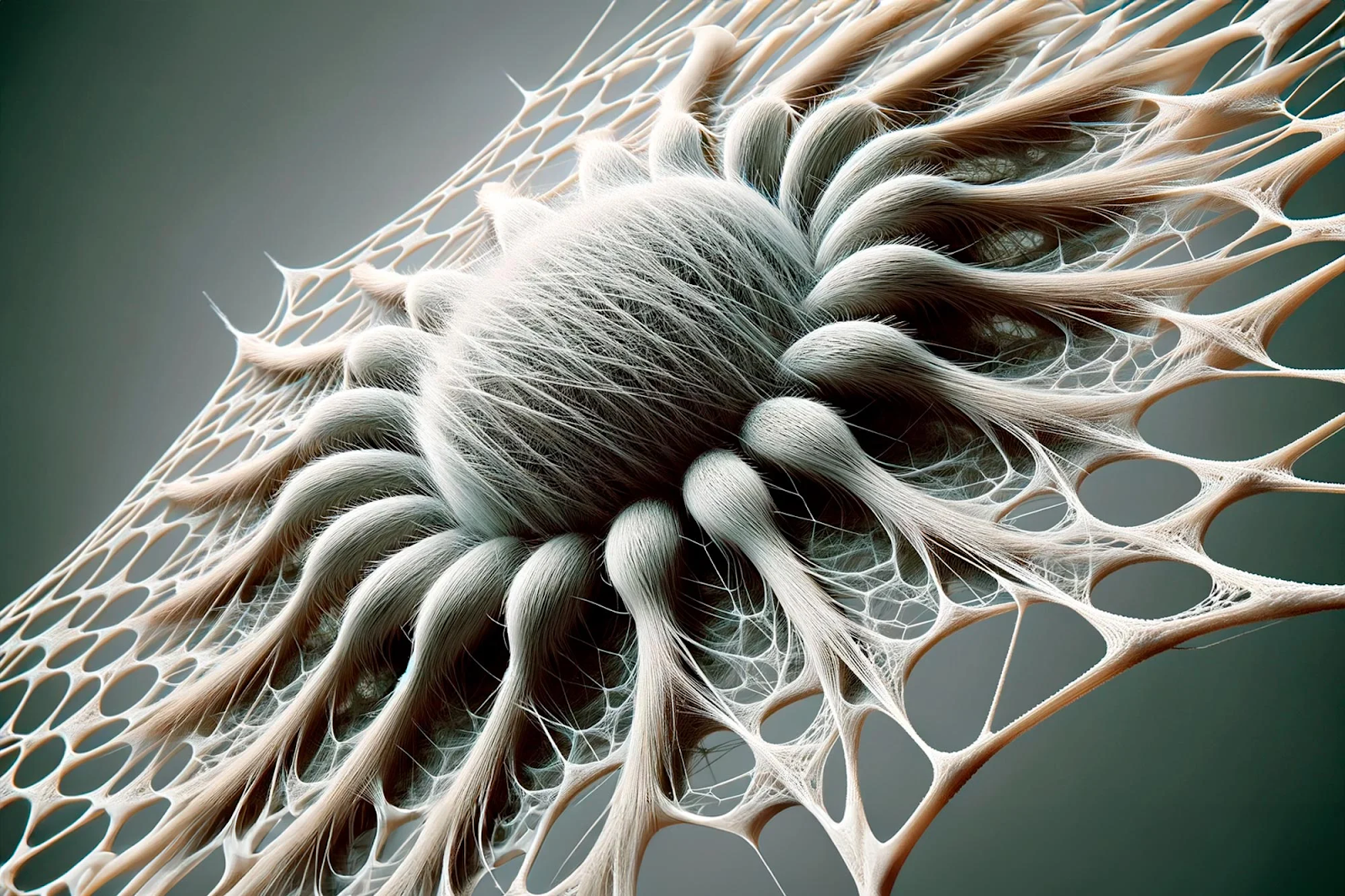
Genetically engineered bacteria can eat plastic waste and make spiders silk.


"Scientists have created a method to transform plastic waste into biodegradable spider silk using bacteria, providing an innovative and sustainable approach to tackling plastic pollution. (Artist’s concept.) Credit: SciTechDaily.com (ScitechDaily, Engineered Bacteria Eat Waste Plastic and Make Spider Silk – “Nature’s Kevlar”)

XXXXXXXXXXXXXXXXXXXXXXXXXXXXXXXXXXXXXXXXXXXXXXXXXXXXXXXX

Next text is from ScitechDaily.com


"For the first time, researchers have used bacteria to “upcycle” waste polyethylene.

Move over Spider-Man: Researchers at Rensselaer Polytechnic Institute have developed a strain of bacteria that can turn plastic waste into a biodegradable spider silk with multiple uses.

Transforming Plastic Into Protein
Their new study marks the first time scientists have used bacteria to transform polyethylene plastic — the kind used in many single-use items — into a high-value protein product.

That product, which the researchers call “bio-inspired spider silk” because of its similarity to the silk spiders use to spin their webs, has applications in textiles, cosmetics, and even medicine."

ScitechDaily.com, Engineered Bacteria Eat Waste Plastic and Make Spider Silk – “Nature’s Kevlar”

XXXXXXXXXXXXXXXXXXXXXXXXXXXXXXXXXXXXXXXXXXXXXXXXXXXXXXXX


In some fairy tales the spiders make spider silk skirts for a hero. In the modern version, the microchip-controlled spiders are used as controlled looms. The fact is that microchip-controlled bugs like spiders could make canvases. But genetically engineered bacteria can be used to make silk or spider silk. The last one is one of the strongest materials in nature. The problem is how to get enough silk. 

Today genetically engineered bacteria can make it. But maybe the future is the genetically engineered cotton. Same way as bacteria genetically engineered cotton can create the spider's silk 

The nanomachines can involve those genetically engineered cells. Those nanomachines can used to fix things like damage in bulletproof vests. But there is more use for Kevlar and silk than just bulletproof vests. Developers can use those materials in composite armor or clothes that must be strong and natural. The composite material is silk. Spider silk in layers can used to create strong clothes. 


But developers can put that material between titanium or ceramic layers.  The miniature robots that carry cell cultures are the living cells that can create spider silk. Developers can use those robots like spiders in those fairy tales. 

Spiders silk is natural kevlar. Or it is stronger than Kevlar, and natural production. The problem with spider silk is it's hard to get. The silk that spiders use in their nets allows them to create more comfortable bullet-proof vests. Things like ropes, which need extremely good pull strength like aircraft carriers stopping wires and other things like lifting cables can created using this fundamental material. 

The genetically engineered bacteria can answer the problem of how to get enough silk. The genetically engineered bacteria can connect with the network structure. That bacteria can turn the plastic waste into spider silk that is used for biostructures. If the kevlar or spider silk fibers are put on the carbon fiber net, that thing gives a good base for other materials and nanomachines that can connect themselves to that structure. In composite structures, there is kevlar or some other strong elastic fiber canvas between layers. 

In those advanced materials, nanomachines are like Legos that fix damaged material. The kevlar or silk layer has impacts on it. But then we can think of those genetically engineered bacteria as a tool, that can handle toxic waste. In the cases that the genetically engineered bacteria can turn oil or plastic waste into non-poisonous fibers like cellulose. That thing makes it possible to turn the toxic waste into waste that is easy to burn or put into compost. 


https://scitechdaily.com/engineered-bacteria-eat-waste-plastic-and-make-spider-silk-natures-kevlar/


https://learningmachines9.wordpress.com/2024/01/31/genetically-engineered-bacteria-can-eat-plastic-waste-and-make-spiders-silk/


Tuesday, January 30, 2024

Neuralink reports on the first human neuro-implant assembly.


Elon Musk said that the first human got Neuralink's bio-implanted microchip. That thing makes the person able to move the prosthesis wirelessly. The thing is that the Neuralink is not the top level of the neuro-implated microchips. And researchers can install some more advanced microchips on the skull without the need for a special neurosurgeon. 

Those Neuralink's neuroport-type systems can make it possible for machines they communicate with people without borders.  Also, the neuro-implated microchips can make things like technical telepathy possible, when people exchange their thoughts using brain-implated microchips. Those microchips allow to control of robots and animals using those microchips. The neuro-implated microchip makes it possible. People can fusion their senses with other people or animals. That causes visions where hackers can attack that kind of system. And that can cause a very bad situation. 


The brain-implanted microchips can used as BCI (Brain Computer Interface). The neuro-implanted microchips can connect a person to the internet using mobile devices or WLAN stations. And that kind of thing makes it possible to create systems where people can click themselves into cyberspace or the internet when they want. 

Because the microchip stimulates the brain straight. That means a person cannot separate reality and the virtual reality. Electric impulses will sent straight into the sensory lobes in the brain, the user of this kind of system doesn't see any difference between reality and virtual reality. And that is one of the biggest problems with this kind of system. 


In some visions, the ultimate augmented reality system can make multiple internal workspaces. And the user BCI system cannot find out from the virtual reality. When BCI technology becomes more common, some people may start to use those things as systems that allow them to get pure experience from games and other things. We know that some people have money. And they can get BCI-neuro-implants if they want. 

The brain-implanted microchips are an ultimate opportunity. But they also are tools that can used in perfect mind control. The system can project virtual experiences and virtual memories into the user's brain. The BCI systems can also make it possible for computers. That they can read all the thoughts that a person has.  

In some futuristic dystopia visions, those microchips can also give electric shocks to the center of pain in the brain. That means that BCI system misuse can make it possible for the controller can dominate the person. 

https://endtimeheadlines.org/2021/05/the-race-to-put-a-microchip-in-your-brain/

https://www.theguardian.com/technology/2024/jan/29/elon-musk-neuralink-first-human-brain-chip-implant


https://www.reuters.com/technology/neuralink-implants-brain-chip-first-human-musk-says-2024-01-29/


https://learningmachines9.wordpress.com/2024/01/31/neuralink-reports-on-the-first-human-neuro-implant-assembly/

Error detection in quantum computers is the key to making trusted systems.


 "Researchers have developed a groundbreaking method to identify errors in quantum computers, greatly improving error correction efficiency. This advancement employs real-time error monitoring in quantum computations, marking a significant shift in quantum computing research. Credit: SciTechDaily.com" (ScitechDaily, Finding and Erasing Quantum Computing Errors in Real-Time)


Quantum computers have the same problems as other computers. Even if the system is over 40 years faster than binary computers. That means quantum computers calculate in one second. Calculation that takes 47 years using binary computers.

Researchers make more, and more complicated calculations, and quantum computers must give response to challenges. And the reason why quantum computers developed is that more and more complicated simulations and AI-based software require more and more effective computers. Quantum computers require fast-reacting AI that follows that system operates as it should.

Trust plays a key role in computing. And this rule is one of the cornerstones in quantum and binary computing. If a user cannot trust the system, the problem is how to make trusted actions using the system. The problem with Qauntum computers is that the only known system, that can check results is another Qauntum computer.

The biggest difference between quantum and binary computers is that the quantum computer is more vulnerable to things like FRBs (Fast Radio Bursts) than binary computers. Quantum computers store data in the physical objects. And those objects can be photons or electrons. In that system, information is like the plague on the object.

Then quantum entanglement or electromagnetic field between particles transports that information into another identical particle that is on a lower energy level and oscillates with the same frequency as the sending particle. This kind of thing is a sensitive but powerful tool. Many things can disturb the qubit. And the worst of them, like FRB, can affect all quantum systems at the same time. In that case, all quantum systems make errors.

In computing, error detection happens simple way. The system makes calculations. And then it makes the same calculation again. If the results are the same there is no malfunction in that process. Or the probability that there is some kind of error is minimal. In that process, the system can use two different computers to make those calculations. And that increases the accuracy.

But in quantum computing the speed of those computers is extremely high. In quantum computers, error detection can happen by making two calculations that happen between certain times. If two quantum systems can calculate the same calculations at different times, that can uncover the errors in the system. Each quantum computer system consists of two quantum computers that operate at the same time with the same problem.

This system requires the ability to store data in a fast-operating memory matrix. Especially, in scientific calculations that can last over months. It's important. That system recognizes errors while calculations are in progress. That requires fast-reacting AI-based systems.


https://scitechdaily.com/finding-and-erasing-quantum-computing-errors-in-real-time/


https://scitechdaily.com/stanfords-revolutionary-universal-memory-the-dawn-of-a-fast-ultra-efficient-memory-matrix/


https://learningmachines9.wordpress.com/2024/01/30/error-detection-in-quantum-computers-is-the-key-to-making-trusted-systems/

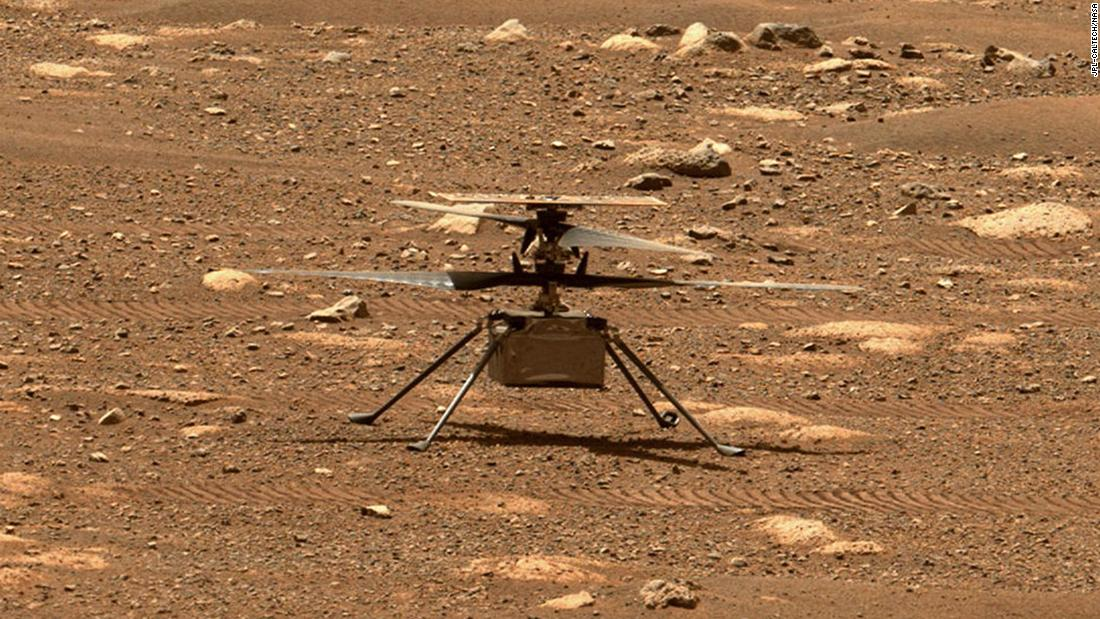
Goodbye, Ingenuity helicopter.


NASA's Ingenuity helicopter made its last mission into Mars's atmosphere. The rotor damage made the end of that helicopter's mission exceed its calculated time. Ingenuity was an awesome tool, that gave data about Mars. That helicopter also gave data about high-altitude helicopters that can used to observe Earth and as area surveillance tools. 

Ingenuity also gave information about the AI solutions that can used in independent systems that will send to the Titan and other planets. And the same systems also can operate over the battlefield. If the helicopter can operate independently. It can deliver data to the command center. Without the need for two-way communication. That makes it hard to detect the command center using radio detectors. 

The high-flying automatized helicopters can deliver information about what happens below them. If those helicopters are kamikaze tools. They can operate as surveillance tools. And when their batteries are empty, they can dive against targets. 


These kinds of helicopters can deliver over from satellites or ballistic missiles. And they can observe the area for civil and military actors. 


In some models, there is a network of small helicopters over the area. And those helicopters can see things that happen below and above them using the CCD cameras and radars. That is installed in their rotors. If those miniature helicopters use miniature nuclear batteries or they can get energy in the form of laser or maser beams those kinds of helicopters can operate even years. 

When we think about these kinds of helicopters as military actors, they can carry smaller drones. The marker-pen size drones can observe people's speech, and they can slip into the houses. Those systems can use small, coin-size nuclear batteries. Or those drones can also be kamikaze tools, showing their success in the Ukraine war. Those miniature kamikaze drones can make it possible to attack individual persons, from another side of Earth. 

The long-range missiles or satellites can deliver those drones over the estimated target area. Then the image recognition system selects its target. This kind of system allows the ICBM missiles can strike against individual persons. And this kind of system is really dangerous in the hands of people, like Kim Jong-Un. 


https://scitechdaily.com/nasas-ingenuity-mars-helicopter-concludes-mission-after-3-epic-years/


https://www.pbs.org/newshour/science/nasas-ingenuity-helicopter-prepares-to-attempt-first-controlled-flight-on-mars


https://learningmachines9.wordpress.com/2024/01/30/goodbye-ingenuity-helicopter/

Friday, January 26, 2024

What if somebody copies the mechanic computer's structure to the quantum computers?


 What if somebody copies the mechanic computer's structure to the quantum computers? 


The mechanic computers are immune to EMP pulses. And that thing makes them interesting, even if they are old-fashioned systems. The small nanotechnical mechanic computers can be used as backup systems for simple, one-purpose systems. 

Nanotechnology makes it possible to create very small mechanical components. And it's possible. The small mechanic computers can assist the digital computers in cases where EMP (Electromagnetic pulse) damages digital computers. 

Digital computers are more effective and multi-use than mechanic computers, and that's why they replaced mechanic computers. But it's possible. That mechanic computers work as background systems, for special cases. 


(Wikipedia, Colossus computer)

Colossus


When we think about digital computers the first electric "computer" before ENIAC was Colossus, the top secret code-breaking machine. They used electric wires and electric processing systems.  Allies used Colossus to create fake and false information for the German commanding system during the Normandy disembarkation. The machine that was used to break German Lorenz Enigma encryption was an electromechanical system called Bombe. 

The Colossus was the first programmable computer in the world. That system was in use until the 1960's. The Colossus was the first machine that allowed to read opponent's messages and in vital moments of WWII to deliver disinformation to the enemy commanders. 

The pin, or camera system, was created for the Colossus. an be used to turn binary data into qubits. In the Colossus program were the small holes in paper that traveled between the lamp and photocells. Today the system can share the data into the bites and then send it to photoelectric cells. 

Then that data can travel as lines in those data handling lines. This kind of structure can repeat one after one. The system can share data with smaller and smaller bites in the system. There are more and more adjacent data handling lines. 

In quantum computers, the quantum entanglements can create similar structures as cogwheels made in mechanic computers. If researchers can create enough complex 3D quantum systems. It makes it possible to create a 3D structure. 

Their quantum entanglement transports information using similar tracks with mechanic computers. And that thing will make it possible to create new types of quantum solutions. 

The historical connection with Bombes and "Colossus" to quantum computers is similar. In those systems, history repeats itself. The quantum computers are the bombes of today. Users cannot preprogram quantum computers. 


And still today the user uses quantum computers through digital computers. There is no way to use quantum computers straight through the keyboards. 


Then we can think about mechanic computers. Especially, "Colossus", was the fundamental system.  It's possible to make a quantum version of "Colossus". That theoretical system would be the 3D quantum entanglement structure that follows the drawings of the "Colossus". 

In those systems, small skyrmions can used for the same purpose as radio tubes. The system can create as an example, a virtual triode (Three electrodes) radio tube by making three data input/output points in skyrmion. In a photonic model, the system can use a laser ray that travels in a ring-shaped structure. Then the laser rays will be aimed at three points of that laser ray. 

The most incredible version of the mechanic computer's digitalization could be the structure where small black holes are put in the form that mimics the bombe's wheel structure. Then quantum entanglement between those black holes will transmit information in the system, just like cogwheels transport information in mechanic computers. 


https://en.wikipedia.org/wiki/Bombe


https://en.wikipedia.org/wiki/Colossus_computer


https://en.wikipedia.org/wiki/Cryptanalysis_of_the_Lorenz_cipher


MIT researchers created a sensor that harvests energy from its environment.


"This energy management interface is the "brain" of a self-powered, battery-free sensor that can harvest the energy it needs to operate from the magnetic field generated in the open air around a wire. Credit: Courtesy of the researchers, edited by MIT News" (/news-media/self-powered-sensor-automatically-harvests-magnetic-energy)

There is nothing new about sensors that harvest energy from the sunlight. The thing that makes the new sensor fundamental is that it can also operate in complete darkness. This system makes it possible for employers to make sensor installations in narrow places, where is hard to pull wires. 

Because these kinds of sensors can operate in darkness, researchers can use the same technology to create the power sources for the miniature robots. That new technology makes those robots able to operate in areas. Where there is no sunlight. 

The new sensor is fully battery-free. It can harvest its energy from the environment. The difference between solar-panel systems is that this system uses vibrations and electromagnetic fields as energy sources.  And that means it's the ultimate tool for making sensors that observe things like diesel engines. 

Because this new sensor can operate in darkness,  it's easy to install. The same technology that is used in this tiny sensor can used in radio transmitter-recevers. 

That allows eavesdropping systems that are independent of the battery. Even if those energy harvesters can harvest only low voltages they can store energy into capacitors. And then that energy can used in remote-control systems. The ability to collect energy from the environment is an interesting thing. Nanorobots can use this technology as their energy source. 

In the same way, that kind of thing can used for nano-size microchips. In those systems, a wireless system transports data to the computing system wirelessly. The system uses the same radio waves as the power source. The problem with nanotechnical systems is that electricity jumps over their tiny switches. And that requires new ways to transport electricity and information to them. 


https://meche.mit.edu/news-media/self-powered-sensor-automatically-harvests-magnetic-energy


https://news.mit.edu/2024/self-powered-sensor-harvests-magnetic-energy-0118


Humanoid robots are perfect companions and bodyguards.

Scientists restored the sense of touch. By using brain simulation. Stimulation was created. By stimulating the right brain areas with electr...